
HACCP — Hazard Analysis and Critical Control Points — sounds like a compliance formality until you understand what it’s actually protecting against: the everyday failures that cause foodborne illness. A HACCP audit isn’t a box-ticking exercise; it’s a systematic check of every point in your kitchen where food safety could break down.
Here’s what auditors are actually looking for.
1. Hazard Identification
Auditors start by reviewing whether you’ve identified the biological, chemical, and physical hazards relevant to your specific menu and processes — not a generic list, but ones specific to what you actually cook and serve.
2. Critical Control Points (CCPs)
These are the specific steps in your process where a hazard can be prevented, eliminated, or reduced to a safe level — cooking temperatures, cooling times, storage temperatures. Auditors check whether you’ve correctly identified your CCPs and whether you’re actually monitoring them.
3. Temperature Control Throughout the Chain
This is often where audits find the most issues. Auditors check receiving temperatures, storage temperatures (both refrigerated and frozen), cooking temperatures, holding temperatures, and cooling procedures — looking for both the right equipment and consistent, documented monitoring.
4. Cross-Contamination Prevention
Separation between raw and ready-to-eat foods, color-coded equipment, proper handwashing stations and practices, and cleaning protocols between tasks are all closely examined. This is one of the most common failure points in kitchens that otherwise look clean.
5. Documentation and Record-Keeping
A kitchen can be doing everything right and still fail an audit if it can’t prove it. Temperature logs, cleaning schedules, supplier certificates, and staff training records all need to be current, complete, and readily available.
6. Staff Hygiene Practices
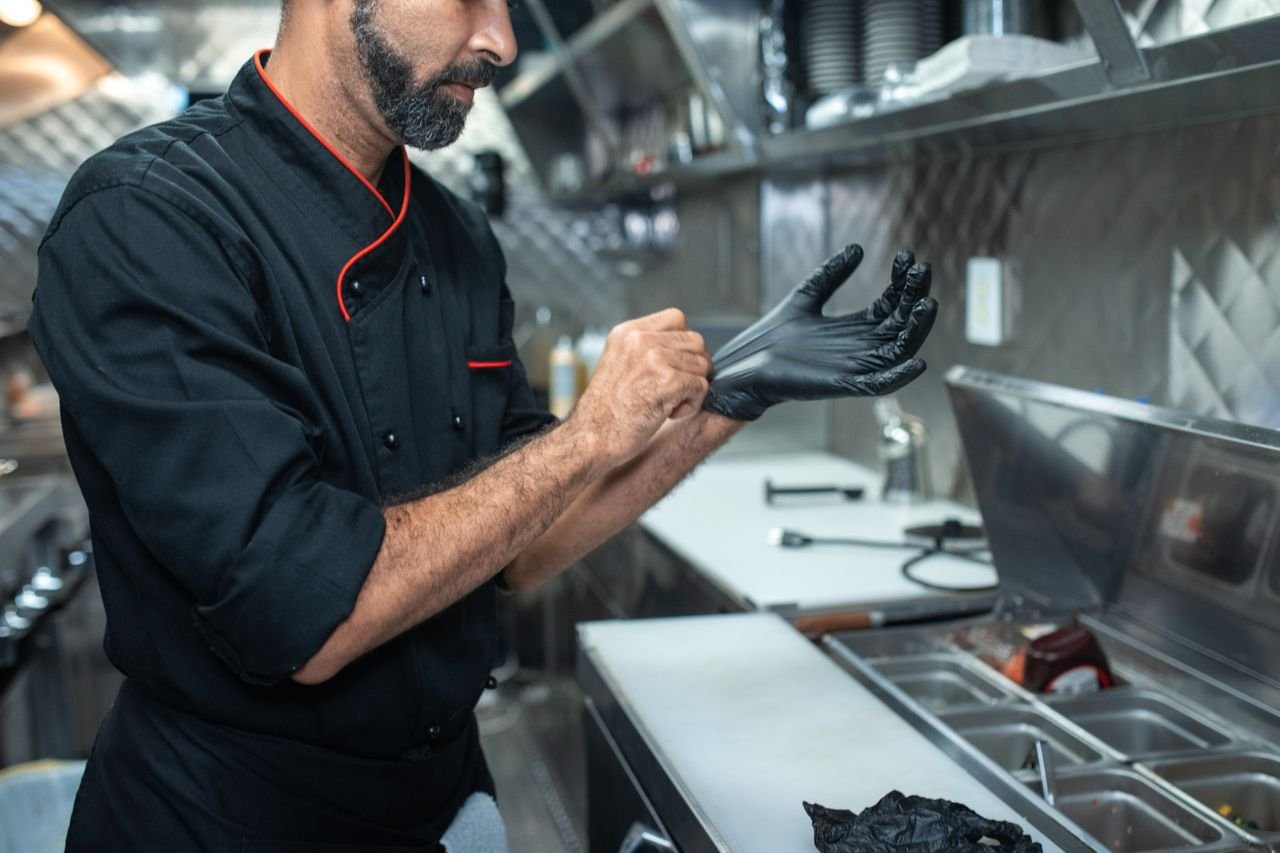
Handwashing frequency and technique, illness reporting policies, uniform and PPE standards, and general hygiene awareness among staff are assessed — often through direct observation during the audit, not just policy review.
7. Pest Control
Evidence of an active pest control program, proper waste management, and physical barriers against pest entry are checked, along with records of pest control visits and any findings.
8. Supplier and Traceability Systems
Auditors want to see that you know where your ingredients come from and can trace a product back through your supply chain if needed — particularly important in the event of a recall or contamination issue.
9. Corrective Action Procedures
It’s not enough to monitor your CCPs — you need a documented plan for what happens when a control point fails. What do you do if a delivery arrives at the wrong temperature? If a fridge fails overnight? Auditors check whether these procedures exist and whether staff actually know them.
10. Verification and Review Processes
Finally, auditors look for evidence that your HACCP plan is a living document — reviewed and updated periodically, not written once and forgotten. A plan that hasn’t been touched in years, even if technically compliant, is a red flag.
How to Prepare
The kitchens that pass HACCP audits comfortably are the ones that treat these practices as daily habits, not audit-week scrambles. If your documentation only gets updated when an audit is scheduled, that’s usually the first sign of deeper gaps.
If you’d like a professional audit and corrective action plan before your next official inspection, book a consultation with Origin Hospitality Consultants — hygiene and HACCP audits are one of our core services.
Leave a Reply